


Send money home
Your first transfer is free and arrives in seconds
The geography of the United States is so varied that it offers a vast array of climates and microclimates. This provides the country with an enormous diversity of temperatures, wildlife, flora, and activities that can be enjoyed at any time of the year.
What is the climate like in the United States?
**The United States** is a very vast country, which means its geography encompasses numerous types of climates and microclimates. The immensity of its territory makes this country an incredible place to visit in any season.
From its wonderful coasts in the east, with the Atlantic, and the west, with the Pacific, to the mountains, lakes, deserts, and large metropolises, you can have a unique experience in the U.S.
In the land of the American dream, summers are very hot and winters are very cold. Unlike the southern hemisphere of the continent, in the U.S., spring begins on March 21, summer starts on June 21, autumn on September 21, and winter on December 21.
In total, there are 11 types of climates, including humid continental, dry, tropical, forest, tundra, and Mediterranean.
What is the predominant climate in the United States?
Despite the large number of climates and microclimates present in the United States, it can be said that the one with the greatest predominance throughout the territory is the continental climate.
It is a climate with temperate temperatures, although summers can be very hot and rainy, while winters are colder and drier. Some large cities with this climate are New York and Chicago.
The continental climate has **very marked and distinct seasons**, and it favors a type of vegetation that can adapt to all variations in temperature and humidity.
What are the seasons like in the United States?
The spring marks the beginning of the mildest time of the year, when the most wildflowers **bloom**. However, given the harsh winters that can occur, the beginning of this season remains very cold, so it is advisable to travel closer to June.
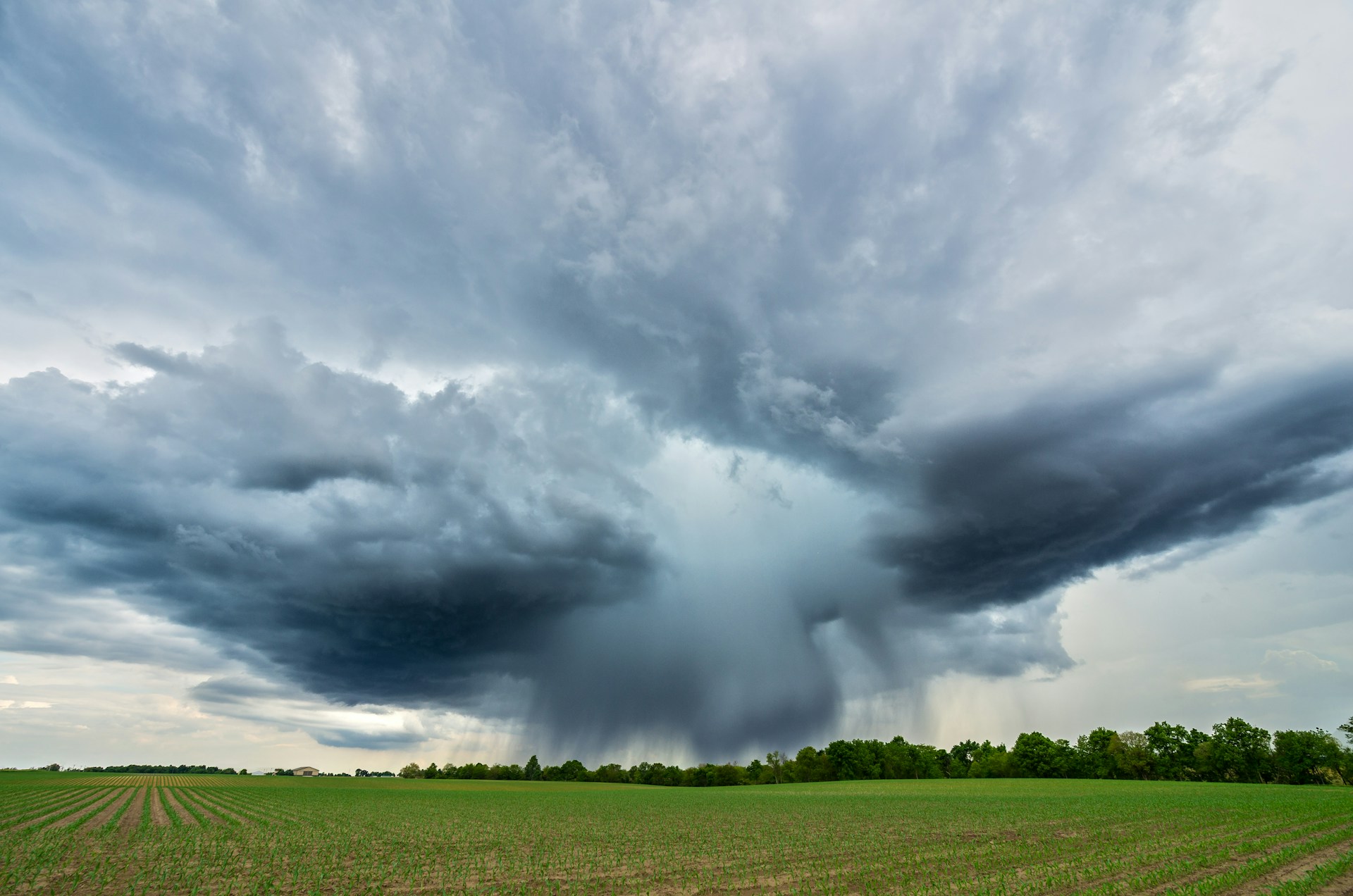
The summer is a very intense season, with a very strong sun and very high temperatures. It is also the time when the most **precipitation** is expected. Maximum temperatures can reach up to 35 degrees Celsius. The most important date is July 4, which includes outdoor celebrations.
The American **autumn** spans from September to November, and temperatures, mainly in temperate zones, drop to 15 degrees. It is the season of orange leaves, pumpkins, Halloween celebrations, and Thanksgiving.
Finally, in **winter**, temperatures drop abruptly. The states located further north usually have the lowest temperatures, so their climate includes plenty of snow and winter sports such as ice skating or ice hockey, or mountain sports like skiing.
Related content




