
Send money home
Your first transfer is free and arrives in seconds
In the United States, Hispanic Heritage Month is celebrated every year from September 15 to October 15. This is a time dedicated to recognizing and honoring the contributions of the Hispanic community in this country. For many Latinos living there or those wishing to go, this celebration has special meaning. We will explain more about it below.
What does Hispanic Heritage Month mean?
Hispanic Heritage Month began as a one-week commemoration in 1968, established by President Lyndon B. Johnson, and was expanded to a full month in 1988 by President Ronald Reagan.
This celebration encompasses significant dates, starting on September 15, which marks the **independence of several Latin American countries**, including Costa Rica, El Salvador, Guatemala, Honduras, and Nicaragua. Additionally, September 16 and 18 celebrate the independence of Mexico and Chile, respectively.
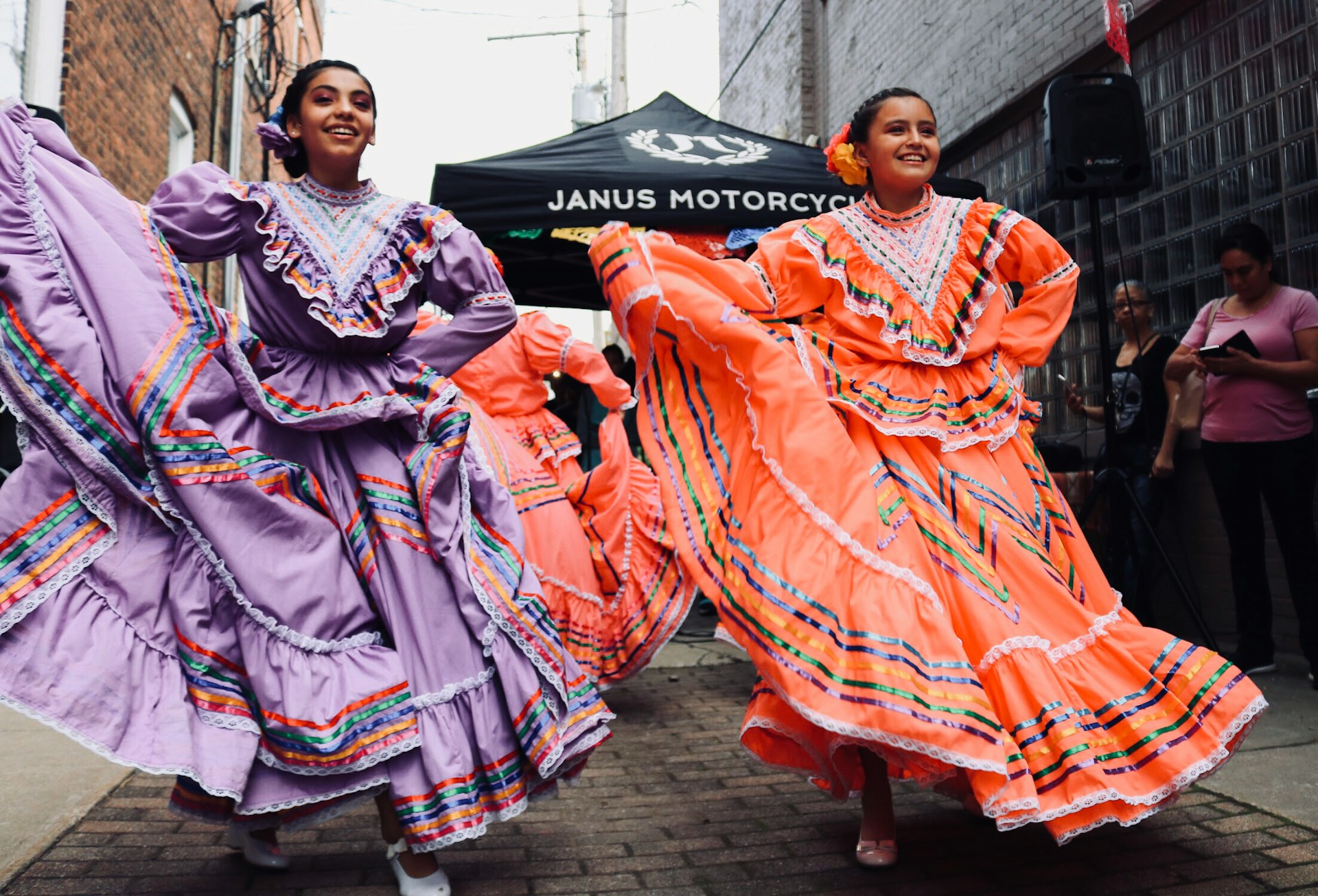
During this month, numerous events, activities, and exhibits are held across the country that highlight Hispanic music, art, literature, food, and traditions. But beyond the festivities, Hispanic Heritage Month is an opportunity to **educate the community** at large about the rich history and contributions of Latinos in the United States.
Importance of Hispanic heritage
Hispanic heritage is a vibrant mosaic of cultures, traditions, and values that have been passed down from generation to generation. This heritage not only enriches the lives of those who share it, but it has also deeply influenced American culture as a whole: gastronomy, music, art, language, and family traditions.
Recognizing and celebrating Hispanic heritage is important, not only to preserve cultural traditions but also to **strengthen the identity of Latino communities** in the country.
In a context where immigration and diversity are topics of debate, Hispanic Heritage Month offers a platform to highlight the positive contributions of Latinos and to promote **greater understanding and respect** for these communities.
Hispanic heritage in the United States
The history of Latinos in the United States is rich and multifaceted, spanning centuries of migration, resistance, and resilience. From the first Spanish explorers who arrived in the Americas in the 15th century to the waves of immigrants who continue to arrive today, Latinos have left an **indelible mark** on the nation's social, economic, and cultural landscape.
Latinos have contributed significantly in diverse areas such as politics, economics, science, sports, and the arts. Iconic figures like **César Chávez, Sonia Sotomayor, Dolores Huerta, and Lin-Manuel Miranda** are just a few examples of Latinos who have left an indelible mark on U.S. history. Their success stories, often forged in the midst of adversity, serve as inspiration.
Latino communities have also played a fundamental role in the evolution of American culture, such as in the architecture, language, food, and festivities that are now an integral part of life there. Cities like **Los Angeles, Miami, and San Antonio** are vibrant examples of how Latino culture has shaped the identity of these communities.
However, the celebration of Hispanic heritage also invites reflection on the challenges these communities face. Despite their countless contributions, Latinos in the United States have faced and continue to face discrimination, inequality, and barriers to accessing education, healthcare, and economic opportunities.
Hispanic Heritage Month is, therefore, an occasion not only to celebrate achievements but also to address and acknowledge the struggles that still persist, fostering greater understanding and appreciation for Hispanic heritage, and **thereby strengthening the bonds** between all the communities that make up the nation.
Latino food and celebrations in the United States
The Latino influence in the United States is evident in many areas, especially in food and celebrations. For example, **Mexican cuisine**. Tacos, guacamole, enchiladas, tamales, arepas, and ceviche are popular throughout the country.
As for celebrations, Cinco de Mayo is one of the best known. Although it has roots in Mexico, in the USA it is a widely celebrated holiday, marked by parades, music, and festivals that celebrate Mexican culture.
Another important one is the **Day of the Dead**, a tradition that has become popular in several U.S. cities, where Latino communities gather to honor their deceased loved ones with altars, sugar skulls, and offerings.
There is also the Miami Carnival, a vibrant celebration that highlights Latino culture with music, dance, and gastronomy. It brings together people of all ages to enjoy colorful parades and live performances.
Related content