


Send money home
Your first transfer is free and arrives in seconds
Although digital payments are increasingly used, checks remain an important tool for financial transactions in the United States. Whether for personal or business payments, understanding each element of a check is necessary to ensure it is issued correctly and securely.
Parts of a U.S. check
To ensure a check is processed correctly, it is important to understand each of its components. Knowing the parts of a check allows payees and issuers to avoid errors, such as issues with interpreting the amount or identifying the account, which could delay or even invalidate the transaction.
Importance of knowing each part of a check
A check contains multiple elements intended to identify the parties involved, specify the amount, and guarantee the document's authenticity. For the payee, understanding these details ensures they will receive payment correctly, while for the issuer, knowing the parts reduces the risk of errors and protects their bank account.
Main components of a check
The essential elements of a check help financial institutions process payments safely and efficiently. From the date and payee name to the amount and signature, each section serves a specific purpose.
Date and place of issuance
The date indicates when the check was issued and is fundamental to its validity, as in many cases, checks cannot be cashed after a certain period (usually six months). The place of issuance is also included on some checks, detailing the location of the issuing bank, which may be relevant for accounting purposes.
Beneficiary name
The payee is the person or entity that will receive the indicated amount. It is important to write the payee's name correctly to avoid confusion or problems when cashing it. Credit unions and banks require the payee's name to match the name on the account where the check will be deposited.
Amount in numbers and words
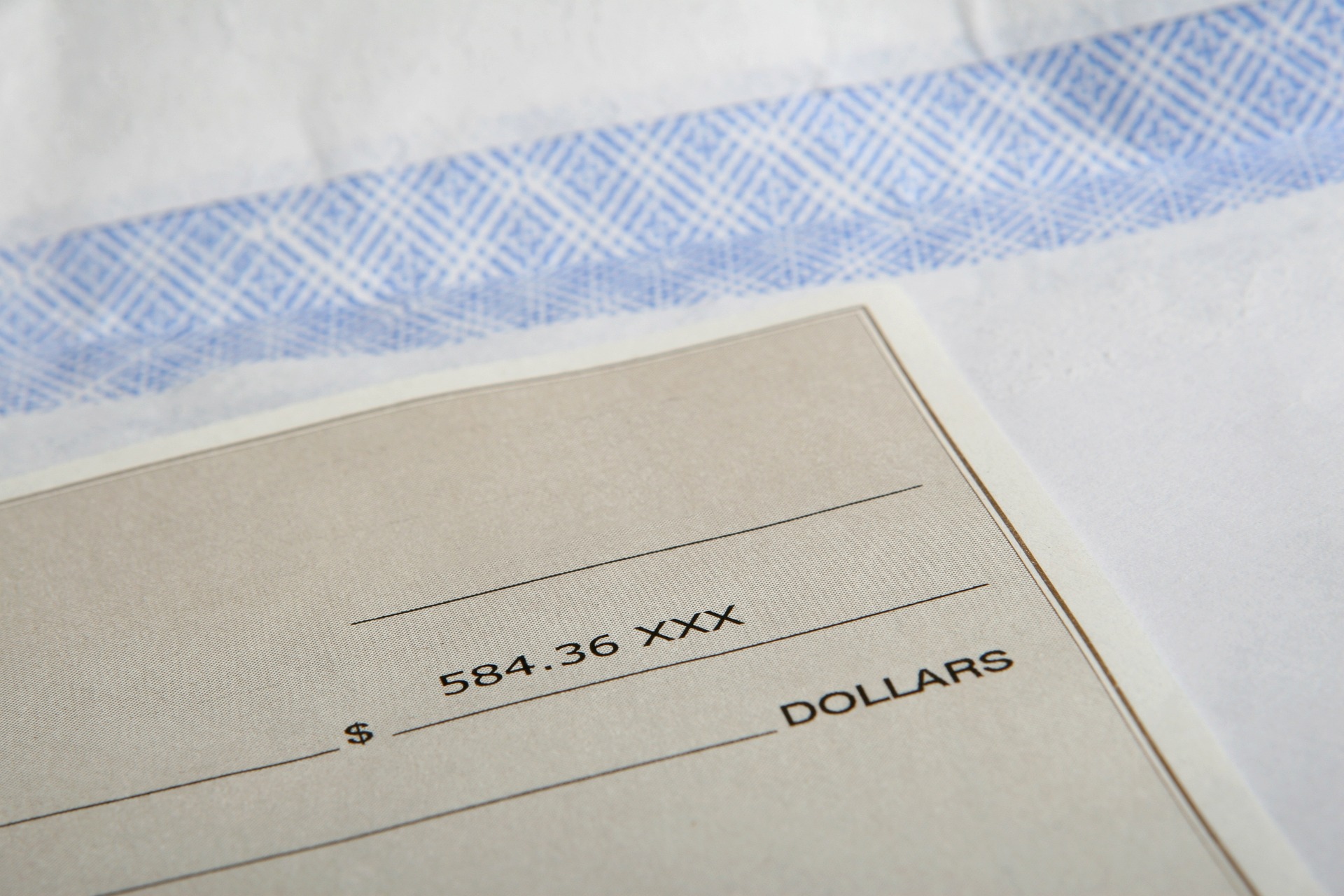
To avoid misunderstandings, the amount must be written in both numbers and words. This reduces the risk of misinterpretation. The Uniform Commercial Code (UCC), which regulates commercial transactions in the United States, establishes that in the event of a discrepancy between the amount in numbers and words, the value in words prevails.
Issuer's signature
The issuer's signature validates the authenticity of the check. An unsigned check has no value and cannot be cashed. Financial institutions, such as banks or credit unions, typically verify that the signature matches the one on file for the account to prevent fraud.
Bank information on the check
Bank details are essential for a check to be processed correctly. These include the routing number, account number, and check number, which identify the bank, the specific account, and the individual document.
Routing number: Identification of the issuing bank
The routing number is a series of digits that identifies the bank where the check was issued. This information allows financial institutions like Wells Fargo and Bank of America to process the payment, ensuring that funds come from the correct account. Every bank in the United States has a unique routing number.
Account number: Identification of the checking account
The account number identifies the specific account from which funds will be withdrawn. This number is unique to each account within the financial institution and must be protected, as it provides direct access to the account holder's funds.
Check number: Document identifier
The check number is a code that identifies a specific check within a series. This number facilitates payment tracking and helps the issuer keep a record of issued checks. In many credit unions and banks, the check number is printed in the top right corner of the document.
Regulations and security when using checks in the U.S.
To protect the integrity of check transactions, the United States has specific regulations, such as the Uniform Commercial Code (UCC), which governs aspects related to checks and other commercial transactions. Additionally, there are best practices that users can follow to avoid fraud or theft.
Uniform Commercial Code (UCC) and its role in checks
The UCC establishes the rules that govern the use of checks in the country. This code has specific rules on topics such as the interpretation of the amount in case of discrepancies and the responsibilities of the parties involved in issuing and cashing checks.
Financial institutions rely on these regulations to resolve disputes and process transactions efficiently.
Recommendations for the safe use of checks
To protect yourself against fraud, it is important to follow safe practices when using checks. Some tips include:
Keep your account information in a safe place
Do not share your account or routing number to prevent unauthorized access.
Avoid blank checks
Never sign a check without specifying the amount and the beneficiary.
Verify transactions
Reviewing your account statements regularly helps identify any suspicious activity.
Use indelible ink
This prevents data from being easily altered.
Related content




