


Send money home
Your first transfer is free and arrives in seconds
Check vouchers are important documents in banking and accounting, as they allow for a detailed record of issued checks. Although many people ignore them in daily life, check vouchers play an important role for companies, organizations, and those who handle large volumes of financial transactions.
What is a blank check?
A blank check is a financial document in which the issuer leaves some details blank, allowing the recipient to fill them in later. This practice can facilitate certain types of transactions, especially in trusting relationships, but it also carries significant risks.
Definition and main characteristics of a blank check
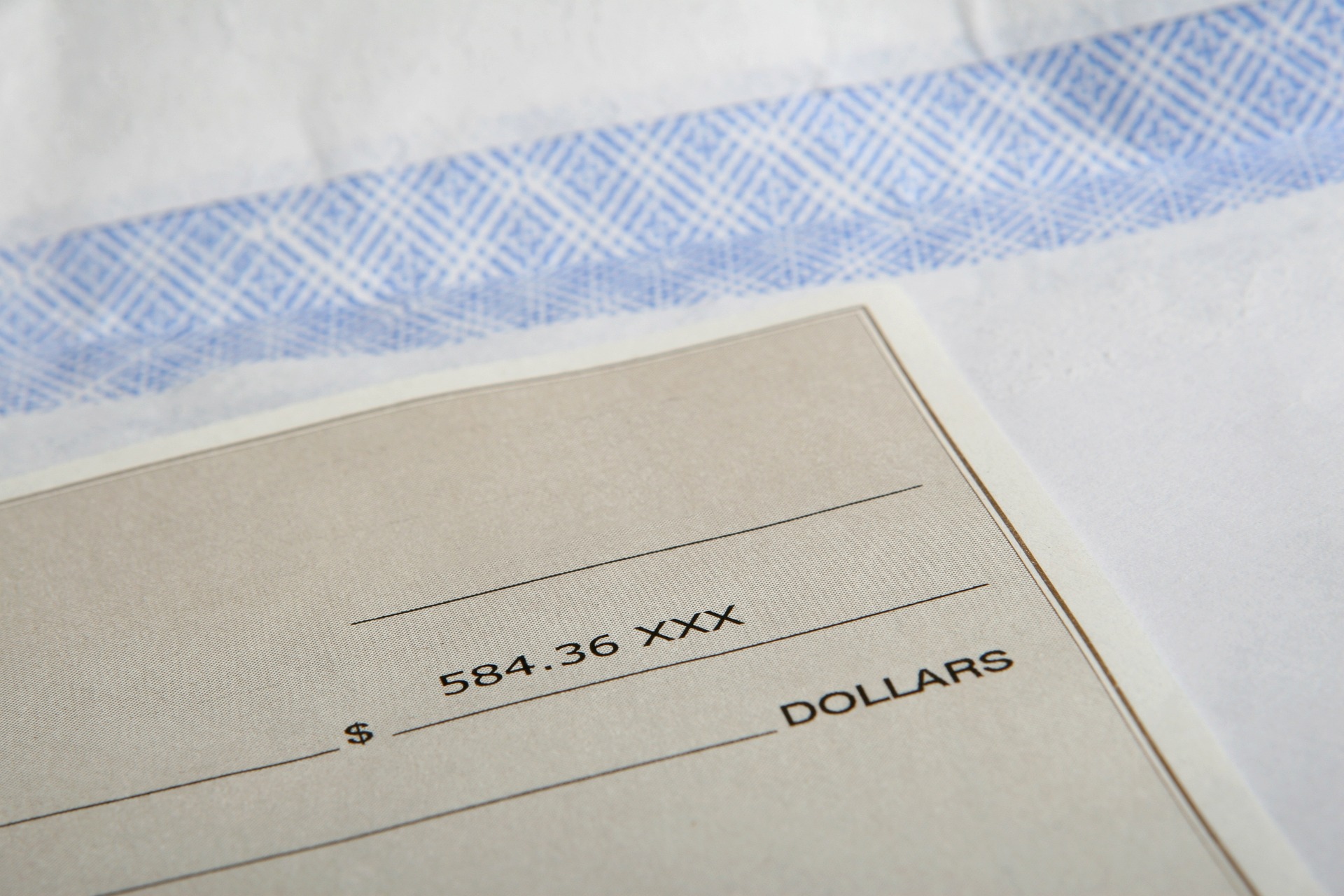
A blank check is a financial product in which the issuer signs the document without specifying a set amount of money. This allows the recipient to fill in the amount and proceed to cash it at a bank. Unlike standard checks, where the amount is defined beforehand, this type of check gives the recipient greater freedom, but it also creates greater risks for the issuer.
Difference between a blank check and an empty check
It is important not to confuse a blank check with an empty check. While a blank check is signed by the drawer and lacks a specific amount, an empty check is a bank document that is incomplete and unsigned, which invalidates it for any type of transaction. The signature on a blank check is essential for its validity, whereas an empty check lacks a signature and, therefore, cannot be used by the recipient.
How does cashing a blank check work?
The process of cashing a blank check is similar to that of any other check, though with certain nuances due to its format.
Cashing process and who executes it
To cash a blank check, the recipient must fill in the amount previously agreed upon with the issuer before presenting it to the corresponding bank. Once the document is completed, the payee presents it to the bank to carry out the transaction.
The bank must verify the validity of the signature and ensure that the amount does not exceed the available balance in the issuer's account.
Risks associated with using a blank check
A blank check **carries risks due to the flexibility it grants the recipient regarding the amount to be collected. **In situations of trust, such as those between family members or long-term business partners, its use can be safe.
However, if the recipient decides to fill in the check with an amount higher than agreed, the issuer may face serious financial problems, especially if the bank allows the transaction without performing a detailed verification.
Advantages and disadvantages of a blank check
While the blank check has practical applications, its use should be evaluated based on the advantages and disadvantages it presents.
Advantages in family and trusting situations
In a family setting or in relationships of trust, a blank check can be a useful and convenient tool. For example, it is used when one wants to facilitate access to funds without defining a specific amount at a given moment. This flexibility allows for streamlining certain types of transactions in situations where the issuer cannot establish an exact amount beforehand.
Disadvantages and risks of misuse
The main risk of a blank check lies in the possibility of misuse by the recipient. Once signed, a blank check grants a high degree of control to the recipient, who can fill in the amount at their discretion.
This means the issuer could face financial loss if the check is filled out for an excessive amount or presented at unexpected times. Furthermore, it could lead to legal conflicts, as its interpretation may vary according to current banking and legal regulations.
Security recommendations for using blank checks
Given the high level of risk involved, the use of blank checks should be supported by specific security practices. Below are some recommendations to minimize risks:
Verification with the banking institution before cashing
Before issuing or accepting a blank check, it is advisable to consult the bank's policies regarding this payment method. Some banking institutions offer the possibility of additional tracking or imposing limits on blank checks.
Therefore, verification with the banking institution before proceeding with the collection is essential to avoid surprises or amounts that exceed what was agreed upon.
Secure alternatives to blank checks
For those who wish to avoid the risks associated with blank checks, there are other financial options that offer greater security and control. One alternative can be a standard check with a predefined and clearly specified amount.
Another option is the use of international bank transfer, which allows for more detailed tracking and control of the amount of money transferred and the recipient of the funds. Additionally, some banks offer specific products designed for situations where flexibility is required, but with more robust security mechanisms.
Related content




