
Send money home
Your first transfer is free and arrives in seconds
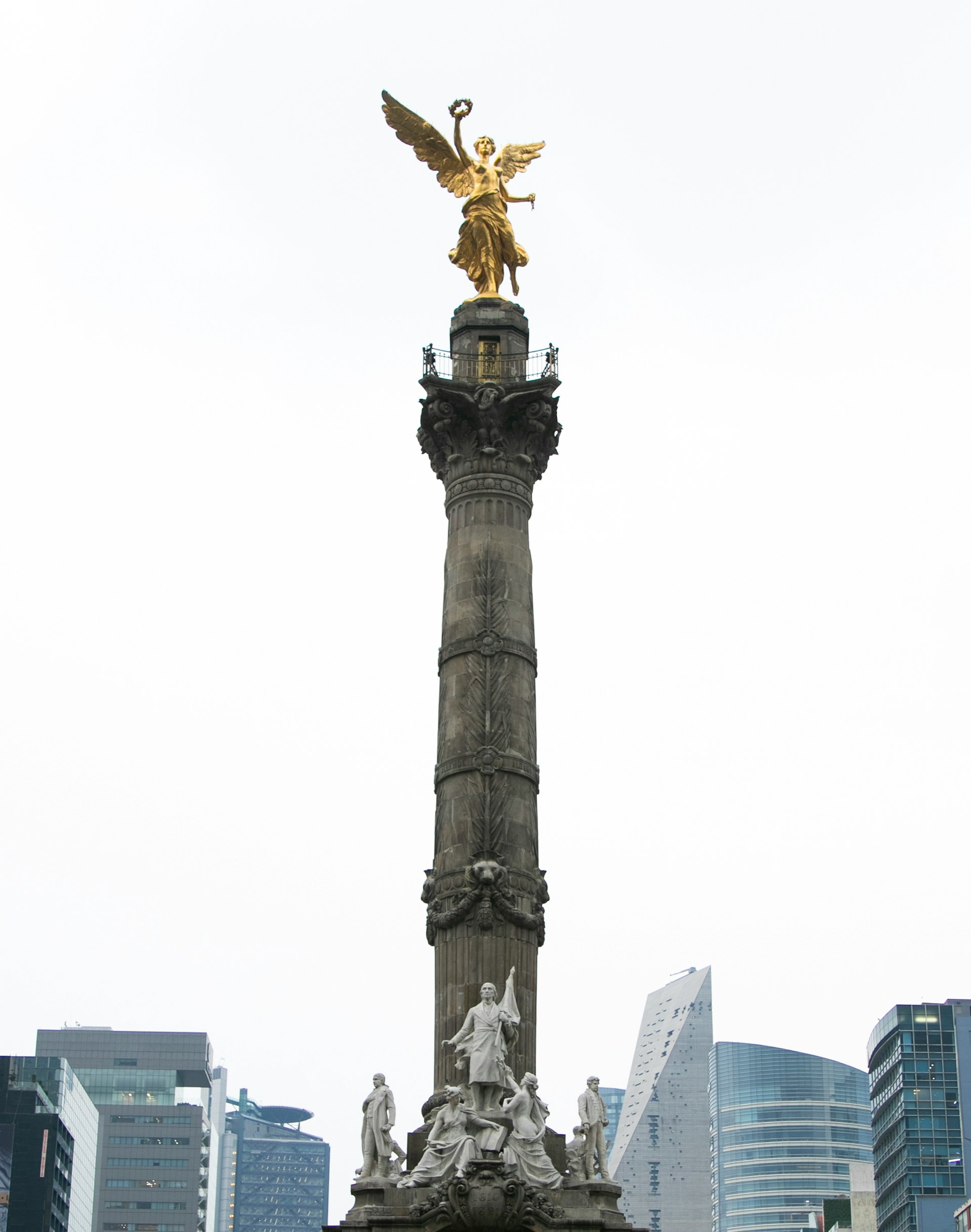
The Mexican War of Independence was the result of a set of diverse causes that triggered a civil war across the territories of New Spain, leading to the First Mexican Empire to the detriment of the economy of the Kingdom of Spain, which relied on these territories for a significant portion of its revenue.
The war for independence in Mexico began on September 16, 1810, a conflict that ended on September 27, 1821, when the Army of the Three Guarantees entered Mexico City.
The Mexican independence movement was inspired by the liberal revolutions and the Enlightenment movement occurring in Europe during the 18th century. Simultaneously, sectors of society were reflecting on concepts related to national sovereignty, as well as the relationships between peninsular Spain and its imperial territories.
**Since when has the cry of independence been celebrated in Mexico?**
**These celebrations have their origin in the early hours of September 16, 1810,** when the priest Miguel Hidalgo y Costilla decided to call for a popular insurrection by constantly ringing the bell of the parish church of Dolores, in the State of Guanajuato.
Under this call (known as the Grito de Dolores), the inhabitants gathered in the square, where Hidalgo decided to deliver a speech cheering for both the Virgin of Guadalupe and the people of Dolores, with the goal of rising up in arms.
These events led Porfirio Díaz (the president of Mexico at the time) to order in 1896 that the bell used by Hidalgo be moved to Mexico City to be used in the independence celebrations that began that year, which included a military parade and the placement of the bell on the main balcony of the National Palace.
Since that moment, it has been established that on September 15 of each year, the bell will be rung at night by the sitting president during a ceremony held on the balcony of the National Palace in Mexico City, before the attendees gathered in the Zócalo.
What were the causes of the independence of Mexico?
There are various causes that led to the independence of Mexico.
One of these was the Bourbon Reforms (promoted by King Charles III), which implemented various changes to strengthen the State and generate more revenue.
All of this led to the arrival of peninsular Spaniards to occupy military and bureaucratic positions, while the Viceroy had less power over the intendants. Merchants and miners were privileged, and taxes were increased, which impoverished the people.
Furthermore, there was a sense of nationalism and belonging among the American-born Creoles regarding the land where they were born, a movement they called criollismo.
The cultural and socio-economic differences between the various groups of people living in New Spain were significant, to the point that Creoles and peninsular Spaniards made up 17% of the population and controlled economic and political power, to the detriment of Black people, mixed-race groups, Indigenous people, and mestizos.
And since King Ferdinand VII abdicated the throne of Spain on July 6, 1808, the city council of Mexico City requested that the Viceroy, José de Iturrigaray, take direct control of the government to recognize the nation's sovereignty—an action prevented by Spaniards like Gabriel de Yermo, who removed Iturrigaray from office and imprisoned other officials.
**Why is it important to celebrate this date?**
It is important to celebrate the independence of Mexico for the following reasons:
- The national holidays are times to celebrate and honor the Mexican independence movement and its heroes. Celebrating Mexican independence is a way to express love for the country and to exalt national identity. It serves to keep in mind the courage of those who dedicated themselves to fighting for the independence of Mexico. It is a way to pay tribute to Mexican cultural traditions, especially our music, gastronomy, and various artistic expressions that distinguish us as a nation, as well as the legacy of our original civilizations, such as the Mayans and the Aztecs.
Main figures of the independence of Mexico
Miguel Hidalgo y Costilla
Also known as the "Father of the Nation," he was a priest and revolutionary who gave the "Grito de Dolores" in the early hours of September 16, 1810, calling for Mexicans to emancipate themselves from the Kingdom of Spain.
Josefa Ortiz de Domínguez
She is another heroine of Mexican independence, having participated in the Querétaro conspiracy and warned Miguel Hidalgo that the independence plot against the interests of the crown had been discovered in Spain.
Ignacio Allende
He played a significant role in the failed 1809 conspiracy against Spain, as well as in another plan devised by Juan Aldama and Miguel Hidalgo.
Agustín de Iturbide
Although he was part of the Royal Spanish Army, by 1820 he lent his support to the Mexican independence movement, alongside its leaders.
José María Morelos y Pavón is known as the "Servant of the Nation."
He served as a priest and military leader, particularly during the second stage of the Mexican independence movement.
Vicente Guerrero
He was a politician and military leader who participated in the Battle of Izúcar, the Siege of Cuautla, and the Capture of Oaxaca, among other events during the third stage of Mexico's independence.
We have now learned about the causes of Mexico's independence, its heroes, and the reasons why this historic event is celebrated by Mexicans.
Related content